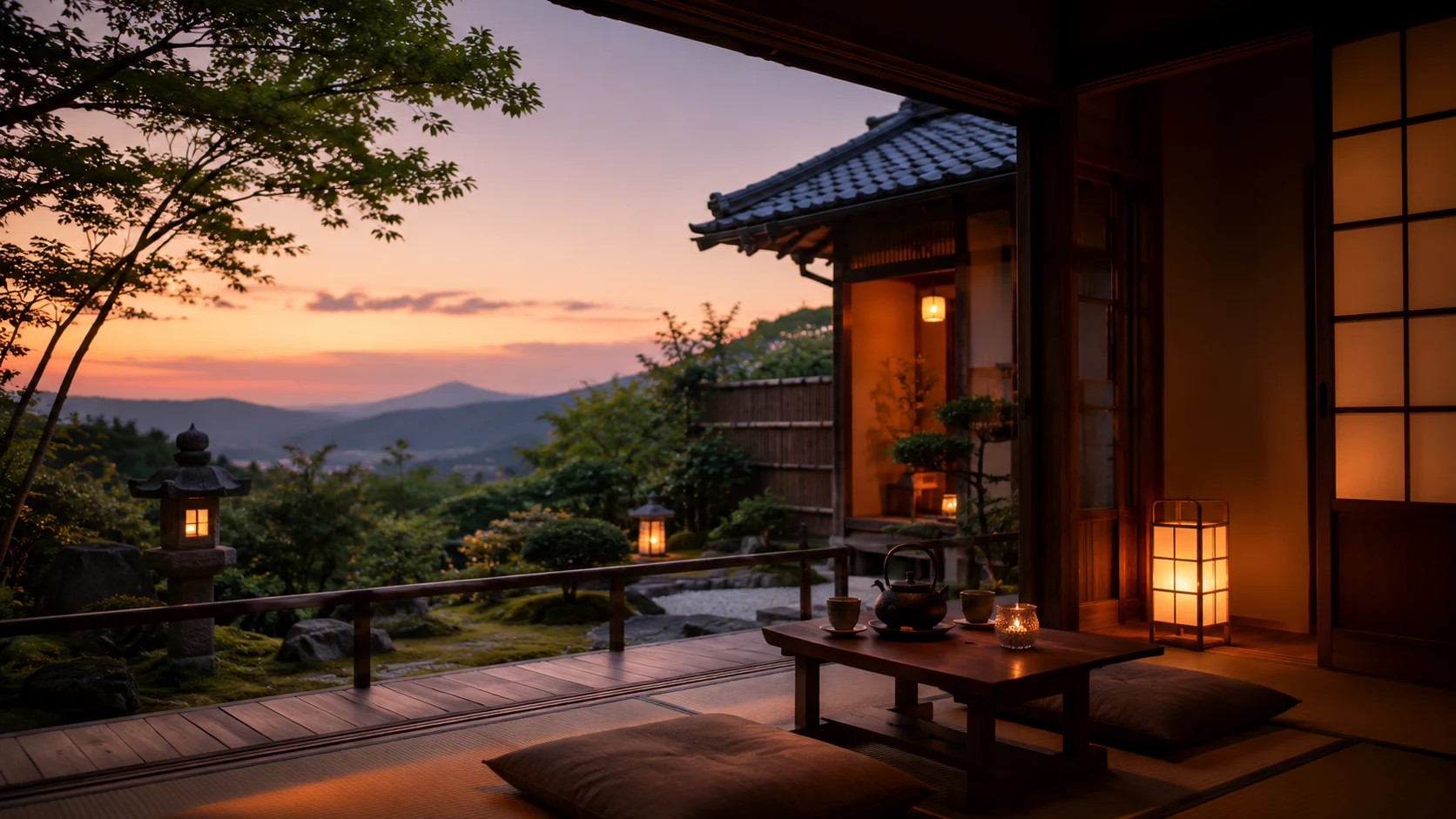
Temples, tea houses, and the kind of quiet that brings you closer
Kyoto is romance at the speed of a poem. A thousand shrines and temples, geisha-era tea houses tucked down cobbled lanes in Gion, bamboo forests that sound like the wind speaking, and a culture that has turned everything โ tea, food, garden design, even silence โ into a kind of quiet art form.
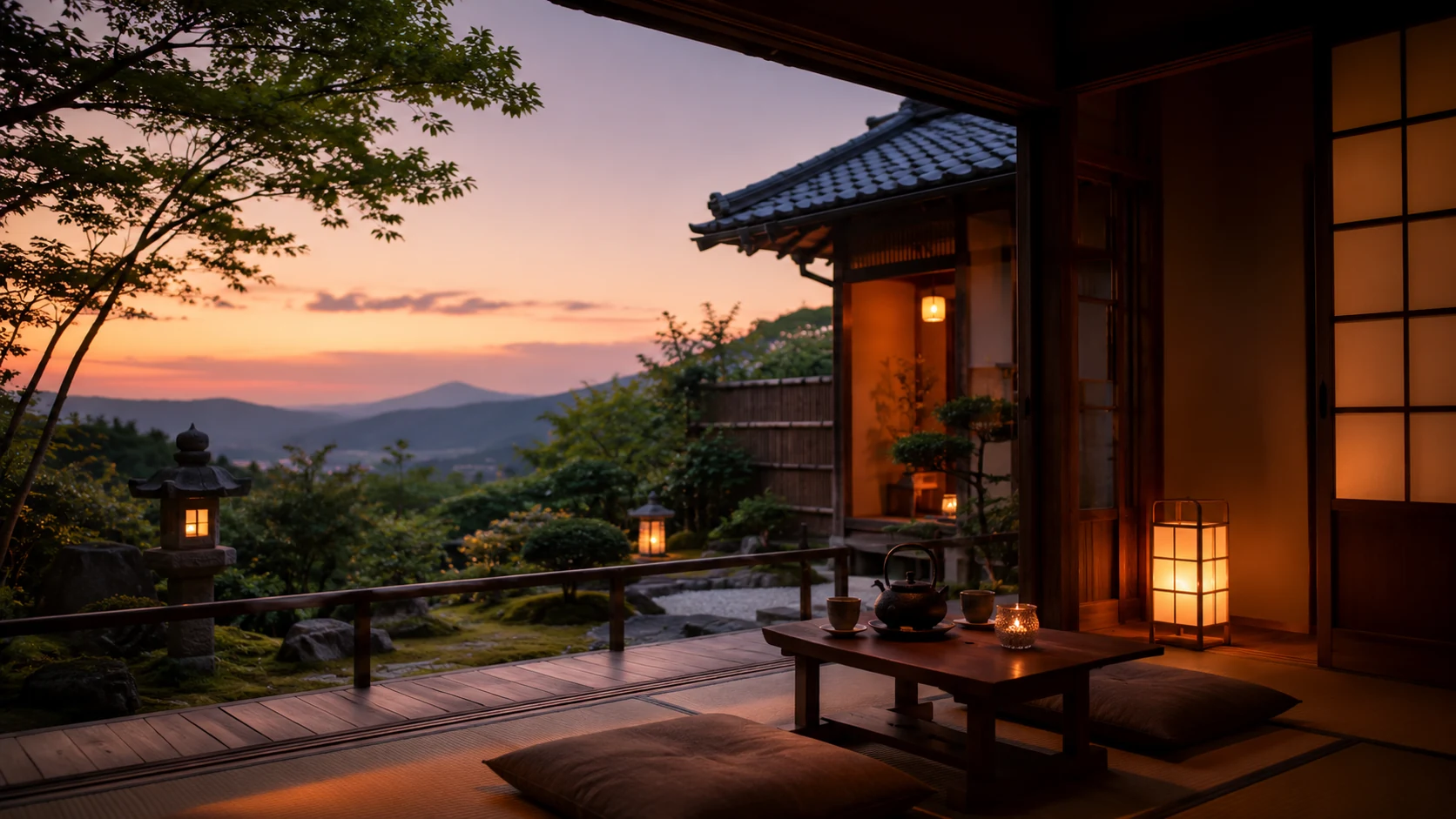
Base yourselves at a ryokan (traditional inn) for at least one or two nights โ tatami floors, a private onsen bath, a kaiseki dinner served in your room, and futons laid out while you're eating. Philosophy is everywhere: the Philosopher's Path, the raked-gravel gardens at Ryลan-ji, the hushed walk through Arashiyama's bamboo grove at dawn.
Spring cherry blossoms and fall momiji (red maples) are famously beautiful โ and famously crowded. The shoulder weeks and winter Kyoto (with snow on the golden pavilion) are criminally underrated and much more peaceful for couples who want space.
The bamboo grove is magical โ but only if you beat the tour buses. Get there at sunrise.
10,000 red torii gates climb the mountain. Go after dark when they're lantern-lit and empty.
Book a small ceremony in a century-old teahouse. Camellia and En are two of the best.
Traditional inn with an in-room cypress bath. Kaiseki dinner, sake, and absolute calm.
A canal-side walking trail lined with cherry trees. Gorgeous in bloom, peaceful year-round.
Narrow lantern-lit streets, geisha hurrying to appointments, tea houses behind sliding wooden doors.
Browse real-time availability and prices from Booking.com, Expedia, VRBO, and more.
Late March through mid-April (cherry blossoms) and late October through November (red maples) are the iconic seasons โ and the most crowded. Early March, late April, and late November/early December are the stealth best times. Winter is magical and quiet.